Spray Foam Elevate Solutions
Compton spray foam removal

Spray foam removal in Compton, done properly

Spray foam removal in Compton is what we do every week across PL3 and PL4. From period homes near Compton Church to family houses off Compton Park, we take out failed polyurethane spray foam, open cell foam and closed cell foam without wrecking your roof timbers or plasterboard. We have worked this patch since 2022, so we know the building stock and the parking.

4
Years serving Compton
2,100+
Jobs completed
autumn damp checks
Right now in Compton

About this area

Spray foam removal in Compton and the streets around it

Why we work in Compton

Compton sits right between the city centre and the moors, and the weather here is unforgiving. Driving rain off Plymouth Sound hits the western elevations hard, and that moisture finds its way into any roof space where spray foam has sealed the felt. We see the same pattern in Higher Compton and Glenholt: foam applied to the underside of roofing felt, no airflow, then condensation, damp patches on ceilings, and timber starting to decay. Mortgage lenders in Devon have also tightened up. Surveyors flag spray foam in lofts and valuations stall, so homeowners need a removal contractor who can produce a clean, documented job. That is the demand we built the business around.

Serving Mannamead, Peverell, Higher Compton and Glenholt

Compton is one of those Plymouth pockets where the housing stock does most of the talking. You have large period properties around Mannamead and Peverell, family semis through Higher Compton, and newer builds out towards Glenholt. A lot of these homes had spray foam insulation pumped into lofts and roof spaces during the grant schemes of the 2010s, and now the foam is failing, trapping condensation, or blocking ventilation. That is where we come in. Spray Foam Elevate Solutions has been carrying out spray foam removal in Compton since 2022, and we have learned which roof types, which timber, and which lenders cause the most trouble. We use dry ice blasting machines, industrial vacuums and hand tools rather than ripping boards out, so most lofts stay intact. If you need spray foam removal Compton homeowners can actually book without a six-week wait, we are the local team to call. We also handle affordable spray foam removal Compton Devon landlords ask for when a tenant moves out and the EPC needs sorting.
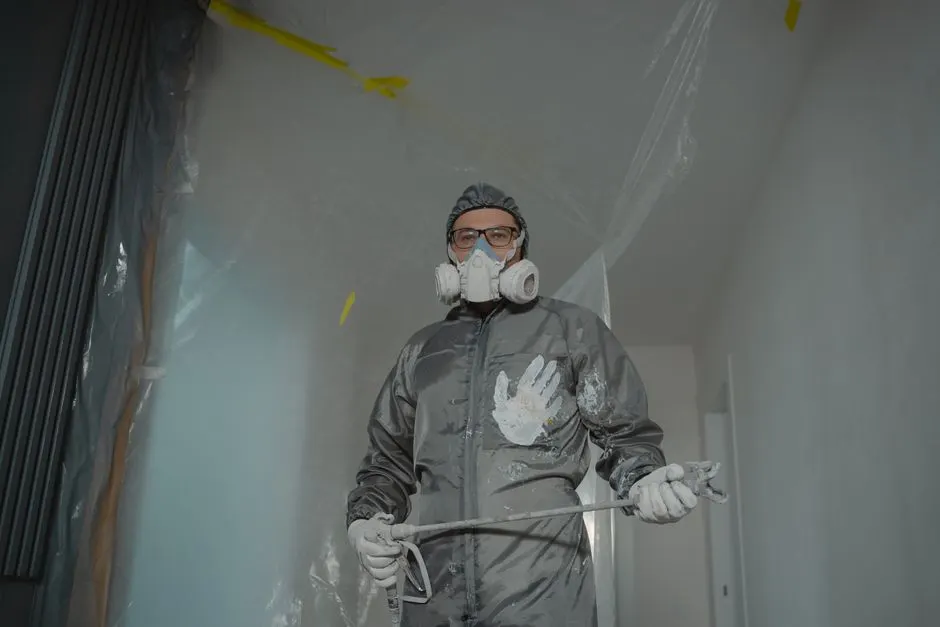

How we work locally

How we run spray foam removal across Compton

Challenge: Period roofs with no eaves ventilation

Foam sprayed onto the underside of felt seals the roof, so any moisture that gets in has nowhere to go. In Compton's older properties this shows up as condensation on the rafters, damp patches on ceilings, and eventually timber decay. It also makes the removal slower because we have to open up ventilation as part of the job.

Solution: We cut the foam back in sections, clear the felt, and install eaves vents or tile vents to restore airflow. On Compton jobs we photograph the ventilation path before and after, which is what surveyors want to see. It adds half a day to most lofts but it is the difference between a fix and a repeat problem.

Challenge: Narrow streets and limited parking in Mannamead

Mannamead and Peverell have tight residential streets with permit parking and few turning points. Getting a van close to the property is not always possible, which means carrying equipment and bagged foam further than usual. It slows the job and adds labour time.

Solution: We check access when we quote, and where needed we use a smaller van and a wheeled trolley to move bags. On longer jobs we arrange a skip permit in advance so nothing sits on the pavement. It is a small thing, but it keeps neighbours on side and keeps the job moving.

Neighborhoods we serve

MannameadPeverellHigher ComptonGlenholtCompton Park areaCompton Church area

Service area

Compton

Latitude: 50.39

Extract Directions

Case files

Recent project: 1

Higher Compton

Challenge

A 1930s semi in Higher Compton had closed cell foam sprayed onto the underside of the roofing felt. Condensation had built up behind it, and two rafters were showing early signs of timber decay. The homeowner had noticed a damp patch on the landing ceiling.

Execution

We removed the closed cell foam using dry ice blasting, which lifted it off the rafters without gouging the timber. The felt was cleared, and we installed four eaves vents to restore airflow. The affected rafters were treated with a preservative, and the loft was vacuumed clean. The whole job took two days.

Impact

The damp patch dried out within three weeks, and a follow-up moisture reading showed the rafters back to normal levels. The homeowner also got a written summary and photos, which they used when remortgaging six months later.

Recent project: 2

Glenholt

Challenge

A four-bedroom house in Glenholt was under offer, and the buyer's surveyor flagged spray foam across the entire roof space. The lender would not proceed until it was removed and ventilation restored. The seller had three weeks before the chain collapsed.

Execution

We surveyed on a Friday and started the following Monday. The foam was open cell and covered roughly 60 square metres. We removed it with hand tools and an industrial vacuum, cleared the eaves, and fitted tile vents along both elevations. We photographed every stage and issued the removal summary within 24 hours of finishing.

Impact

The lender accepted the documentation, and the sale completed on the original timeline. The seller later referred us to two neighbours on the same street, both of whom also had foam in their lofts.

A pair of hands in pink gloves are cleaning with a spray bottle on a white background.
Our track record
Our track record

Field evidence from Compton jobs

What four years in Compton looks like

Since 2022 we have completed over 2,100 spray foam removal jobs across Plymouth, and Compton, Higher Compton, Peverell and Mannamead account for a good chunk of them. The pattern is consistent. Roughly seven in ten Compton lofts we open have foam applied directly to roofing felt with no ventilation gap. Around a third show early timber decay on the rafters. Closed cell foam takes longer to remove than open cell, usually an extra half day per loft, but it is also the type most likely to trigger a mortgage refusal, so it tends to be urgent. We photograph every job before, during and after, and we keep those records for five years in case a lender or surveyor asks. If you want the best spray foam removal Compton has available, ask to see the photos from a recent job. We will send them.

2,100+
Compton-area jobs completed

Local questions

How much does spray foam removal cost in Compton?

Most Compton jobs run between £1,800 and £2,800, with small open cell lofts from around £1,200 and large closed cell roofs up to £4,500 or more. The price depends on foam type, loft size, access and whether the timbers need treatment. We survey first and give you a fixed price before we start.

Who is the best spray foam removal company in Compton?

Look for a local team with a track record in your postcode. We have completed over 2,100 jobs across Plymouth since 2022, including regular work in Compton, Higher Compton, Peverell and Glenholt. Ask any contractor for recent photos and a written summary they have issued to a lender. We will send both.

Is spray foam removal near me available in Compton?

Yes. We cover Compton and the surrounding PL3 and PL4 postcodes daily. Same day slots are often available if you call before midday, and we run an out-of-hours line for urgent jobs. If you are in Mannamead, Peverell, Higher Compton or Glenholt, we are usually with you within 48 hours.

Trust and credentials

Licensed, insured and compliant in Compton

We carry public liability and employer's liability insurance, and we work to COSHH and Building Regulations Part C on every job. Our team holds City & Guilds and NVQ qualifications in insulation and related trades, and we are members of CHAS, Constructionline and SafeContractor, which means our health and safety and financial standing are independently checked. For Compton customers, that matters because removal involves working at height in confined spaces and handling isocyanate-based foam. We also hold BPCA membership for pest-related work where foam removal uncovers an infestation. Every job is documented with photos and a written summary.

Public liability insurance
Employer's liability insurance
CHAS accreditation CHAS
When To Call

Signs you need spray foam removal in Compton

Spray foam does not always announce itself. Sometimes it is a damp patch, sometimes it is a surveyor's note, and sometimes it is a smell in the loft you cannot place. If you have been searching for spray foam removal near me Compton and ticking off symptoms, these are the ones that matter most.

1. Damp patches on ceilings below the loft

This usually means foam has sealed the roofing felt and condensation is running down onto the plasterboard. It will not dry out on its own, and the longer it sits, the more likely the rafters are to decay. Worth getting looked at within a few weeks.

2. A surveyor has flagged spray foam in the loft

Most Devon lenders will not proceed with spray foam in a roof space unless it has been removed and ventilation restored. If you are buying or remortgaging, this becomes urgent. We can usually survey within days and issue the paperwork your lender needs.

3. Musty smell in the loft or upstairs rooms

A persistent musty smell usually points to trapped moisture and early mould growth on timbers or insulation board. It is a sign the roof space is not breathing. Removal and ventilation fixes it, but leaving it can lead to timber decay.

4. Foam is crumbling or pulling away from the rafters

Older BASF and Dow foams can go brittle after a decade or so. Once it starts to crumble, it is no longer insulating properly and it is shedding dust into the loft. It also makes a mess of anything stored up there.

5. Condensation on the inside of the roof felt

If you can see water droplets on the felt or on the back of the foam, the roof space has no airflow. This is the classic Compton pattern in period properties. It needs fixing before the timbers start to soften.

Local Problem Patterns

Common spray foam problems in Compton

Compton's housing stock and its weather create a specific set of problems. Driving rain off Plymouth Sound, older roofs with no ventilation, and a wave of grant-funded foam installations in the 2010s all combine to cause trouble. These are the four issues we see most often.

Foam sealed directly onto roofing felt with no ventilation gap

Why it happens here

Installers often sprayed foam straight onto the felt to save time, which blocks the only path for moisture to escape. In Compton's older roofs there is no other ventilation, so condensation builds up behind the foam and soaks into the rafters.

Our approach

We remove the foam, clear the felt, and install eaves or tile vents to restore airflow. We photograph the ventilation path before and after, which is what surveyors and lenders want to see.

Closed cell foam bonded to old rafters causing timber decay

Why it happens here

Closed cell foam sets hard and traps moisture against the timber. In period properties around Mannamead and Peverell, the rafters are often 80 to 100 years old and already vulnerable. Once decay starts, it spreads.

Our approach

We use dry ice blasting to lift the foam without gouging the timber, then treat any affected rafters with preservative. If a rafter is too far gone, we tell you before we start so there are no surprises.

Mortgage refusal because of spray foam in the loft

Why it happens here

Most UK lenders now treat spray foam in a roof space as a risk, especially if it is closed cell and covers the rafters. Devon surveyors flag it, and the valuation stalls until it is removed and ventilation is restored.

Our approach

We prioritise these jobs. We survey quickly, remove the foam, restore ventilation, and issue a written summary with photos within 24 hours of finishing. That is usually the document the lender is waiting on.

Cavity wall foam causing damp patches on internal walls

Why it happens here

Foam injected into a cavity can bridge the gap between the two leaves of brickwork, letting water travel across. In Compton's older walls, this shows up as damp patches low down or around window openings, often worse after driving rain.

Our approach

We remove the foam through drilled access points, clear the cavity, and make good the brickwork. We also check the external render and pointing, because cavity foam is rarely the only issue in a damp wall.

Local Pricing

Spray foam removal cost in Compton

Typical 2026 pricing for spray foam removal in Compton runs from around £1,200 for a small open cell loft to £4,500 or more for a large closed cell roof space with timber repairs. Most Compton lofts fall in the £1,800 to £2,800 range. The type of foam matters most: open cell comes out faster, closed cell takes longer and often needs dry ice blasting. Access is the second factor. Period properties around Mannamead and Peverell with narrow streets and small hatches take longer than a Glenholt semi with a driveway. If you have been quoted for affordable spray foam removal Compton Devon prices that seem too low, check what is included. We quote a fixed price after surveying, and it covers removal, waste disposal, ventilation work and the written summary.

Availability in Compton: We cover Compton Monday to Saturday, with same day slots often available if you call before midday. Emergency spray foam removal Compton Devon customers can reach us out of hours on 0175 290 5074, and we usually have someone on site the same evening for urgent water ingress or storm damage. Weekend work is available for commercial jobs that need to run outside trading hours.

1

Foam type and thickness

Open cell foam is softer and usually comes out in a day for a standard loft. Closed cell foam sets hard, bonds to timber, and often needs dry ice blasting, which adds half a day and a few hundred pounds to the job. Thicker applications take longer again.

2

Loft size and access

A standard Compton semi loft of around 40 square metres is straightforward. Larger roofs, or those with small hatches and no off-street parking, add labour time. We check access when we survey so the quote reflects the real job.

3

Timber condition and ventilation

If the foam has trapped moisture and the rafters have started to decay, treatment or replacement adds cost. Restoring ventilation with eaves or tile vents is usually a few hundred pounds and is often required by lenders before they will release funds.

Year-Round Coverage

How the seasons affect spray foam removal in Compton

Compton's climate is mild but wet, and the roof space feels it. Demand for spray foam removal here peaks in autumn and winter, when damp patches appear and condensation becomes obvious. Spring and summer are better for planned work, especially if ventilation needs improving.

Spring

Spring is when damp patches from winter start to dry out and homeowners notice staining on ceilings. It is also a good time to book planned removal, because the loft is warmer and easier to work in. We see a rise in survey-driven jobs as the housing market picks up.

Tip

Book a survey in March or April if you have noticed any damp over winter. Getting the foam out before next winter prevents further timber damage.

Summer

Summer is the easiest time to work in a loft, and it is when we do most of our planned removals. Condensation is less obvious, so problems can go unnoticed. If you are buying or selling, summer is when surveyors are most active and foam flags come up most often.

Tip

If you are planning a sale, get the loft checked in early summer. It gives you time to remove the foam before a buyer's surveyor flags it.

Fall

Autumn is when the damp returns. As temperatures drop, condensation forms on the felt and any trapped moisture starts to show as damp patches or a musty smell. This is our busiest season for Compton removals, and slots fill quickly.

Tip

Call as soon as you notice a damp patch or smell. October and November are our busiest months, and waiting until December can mean a longer lead time.

Winter

Winter is when the worst cases show up: water staining on ceilings, mould on timbers, and in some cases water getting in after a storm. Emergency call-outs rise, particularly in older Compton properties with failing foam and blocked ventilation.

Tip

If water is getting in, call us straight away. We run an out-of-hours line for Compton and can usually get someone out the same evening to stop further damage.

Hiring Smart

What to ask before hiring a spray foam removal company in Compton

Spray foam removal is not a job to pick on price alone. The wrong method can damage rafters, and a cheap quote often means the waste goes somewhere it should not. These are the questions worth asking any contractor before you let them into your loft.

  1. 1

    "What method will you use to remove the foam?"

    Why it matters

    Dry ice blasting, sand blasting and hand tools all suit different foam types and substrates. A contractor who cannot explain why they are choosing one method over another is likely to damage your timbers or leave residue behind.

  2. 2

    "Will you restore ventilation as part of the job?"

    Why it matters

    Removing foam without restoring airflow leaves the root cause in place. Lenders and surveyors want to see eaves or tile vents fitted. If ventilation is not mentioned in the quote, ask why.

  3. 3

    "Where does the waste go?"

    Why it matters

    Spray foam is not general waste. It needs to go through a licensed route, and you should be able to see the waste transfer note. A contractor who cannot tell you where it goes is a risk you do not need.

  4. 4

    "Will I get a written summary and photos for my lender?"

    Why it matters

    If you are buying, selling or remortgaging, the lender will want evidence that the foam is gone and ventilation is restored. Ask what documentation you will receive and how quickly after the job finishes.

  5. 5

    "Are you insured to work in occupied homes?"

    Why it matters

    Removal creates dust and involves working at height in a confined space. Public liability and employer's liability cover matter if anything goes wrong. Ask to see the certificates before work starts.

Knowing the Area

Landmarks we use to navigate Compton

Compton is easy to work in once you know it. Compton Park is our main reference point for the northern streets, and Compton Church marks the older end of the area. Central Park sits just to the south, and Plymouth Sound is the backdrop on a clear day. When you call, tell us the nearest landmark and we will know exactly where you are.

Landmarks

  • Compton Park

    Compton Park is the easiest meeting point for jobs in the northern streets. We often park nearby and walk equipment in, which avoids blocking the residential roads. If you are within a few streets of the park, we can usually be with you the same day.

  • Compton Church

    Compton Church marks the older, tighter end of the area. The lanes around it are narrow, so we plan access carefully. Most of the properties here have steep roofs and original timbers, which means dry ice blasting rather than mechanical removal.

  • Central Park

    Central Park is the southern boundary we use for routing. Jobs on the Compton side of the park are usually quicker to reach, and we can often combine them with work in Peverell or Mannamead on the same day.

Commercial Districts

  • Compton retail parade

    The small parade of shops on the main road through Compton generates occasional commercial removal work, usually when a unit changes hands and the new tenant wants the roof space cleared. These are small jobs, often done in a single evening.

  • Glenholt business units

    The business units around Glenholt and the northern edge of Compton are where we do most of our commercial spray foam removal. Demand is usually driven by refits, lease changes, or roof repairs, and the work is often phased over several nights.

Transport & Access

  • Plymouth railway station

    About ten minutes from Compton by road. Useful when we need to bring in extra equipment or a larger extraction unit for a commercial job.

  • A38 Devon Expressway

    The A38 is a short drive north, which makes it easy for us to bring in additional crew or a second van for larger Compton jobs without delaying the start.

!

Need spray foam removal in Compton this week?

If your loft has foam in it and a surveyor, a lender or a damp patch is pushing you to act, call us. We have been removing spray foam in Compton since 2022, we know the streets, and we issue the paperwork your lender needs. Same day and next day slots are often available across PL3 and PL4. Call 0175 290 5074 or send us a message and we will get back to you the same day.

Call now
Call Now: 0175 290 5074