
Spray Foam Elevate Solutions
Plympton spray foam removal

Spray foam removal in Plympton done right, first time

Spray foam removal in Plympton is what we do every week, from the older cottages around Plympton St Maurice to the newer family homes in Chaddlewood. If spray foam insulation is blocking your mortgage, trapping damp in your roof timbers, or failing to keep the heat in, our team removes it cleanly and disposes of it responsibly. We cover PL7 and the surrounding Devon area with same day and 24/7 callouts.

2022
Founded in
480+
Plympton jobs completed
autumn damp checks
Current season focus

About this area

Spray foam removal in Plympton, built on local knowledge

Why we work in Plympton

Plympton sits close to the moors, so it catches more wind-driven rain and damp air than the city centre. That matters for spray foam removal because foam that was installed to stop draughts often ends up holding moisture against the timbers instead. We also get a steady stream of calls from homeowners whose mortgage lenders have flagged spray foam during a survey, particularly on the older properties around Ridgeway and Woodford. Being based in Plymouth means we can be in Plympton the same day in most cases, and we can come back for follow-up checks without a long drive.

Serving Plympton, Chaddlewood, Colebrook and Underwood since 2022

Plympton is a historic town with a mix of old stone cottages, 1970s family estates and newer builds spreading out towards Sherford. That mix creates very different spray foam problems from one street to the next. Around Plympton St Maurice and the castle, we often find closed cell foam sprayed directly onto old rafters, trapping moisture and causing timber decay. On the Chaddlewood and Colebrook estates, it is usually open cell foam in lofts that has started to sag and block ventilation. We have been removing spray foam in Plympton since 2022, and we know the building stock here well enough to tell you what we are likely to find before we open the loft hatch. Whether you need a quick survey for a mortgage lender or a full strip-out, we handle the job from start to finish and leave the roof space clean and ready for proper insulation.

Services available

Spray foam removal services we run across Plympton

Demand for spray foam removal in Plympton is steady all year, but it peaks in autumn when damp patches start showing on ceilings and in spring when surveyors flag foam during house sales. We cover everything from a single loft in Colebrook to full warehouse strip-outs near the Ridgeway. If you are searching for spray foam removal near me Plympton, we are local and we can usually get to you within 24 hours.

How we work locally

How we carry out spray foam removal in Plympton

Challenge: Older stone cottages near Plympton St Maurice trap damp

Solid stone walls and old rafters hold moisture differently to modern timber, so foam that was meant to insulate often makes condensation worse. Removal needs to be slower and more careful, and we have to check for timber decay as we go.

Solution: We use hand tools and dry ice blasting on these properties rather than heavy scrapers, and we treat any decayed timber before we finish. We also check the ventilation path so the roof can breathe again once the foam is gone.

Challenge: Tight parking on streets near Plympton town centre

Narrow streets and limited parking mean we cannot always get the van close to the property. That adds time to loading and unloading, and it can slow the job down if we have to carry equipment any distance.

Solution: We ask customers to reserve a space where possible, and we bring equipment in compact cases that are easier to carry. For larger jobs, we schedule a second visit to remove waste so we are not blocking the street for long.

Neighborhoods we serve

UnderwoodChaddlewoodColebrookWoodfordPlympton St MauriceRidgeway

Service area

Plympton

Latitude: 50.386

Extract Directions

Case files

Recent project: 1

Chaddlewood

Challenge

A homeowner in Chaddlewood was told by their mortgage lender that spray foam in the loft had to be removed before the sale could go through. The foam was open cell and had started to sag, blocking the eaves ventilation.

Execution

We surveyed the loft the same day and confirmed the foam was open cell and failing. The team removed it in sections using saws and an industrial vacuum, then checked the timbers for damp. We cleared the eaves vents and provided a photo report for the lender showing the foam before and after removal.

Impact

The loft was cleared in a single day, the lender signed off the report, and the sale completed on schedule. The homeowner also got advice on breathable insulation to replace the foam.

Recent project: 2

Plympton St Maurice

Challenge

An older stone cottage near Plympton St Maurice had closed cell foam sprayed directly onto the rafters. The foam had trapped moisture and caused timber decay along the roof slope.

Execution

We used dry ice blasting to freeze and crack the foam away from the old timbers without gouging the wood. The decayed sections were treated and replaced where needed. We then checked the ventilation path and made sure air could move through the roof space again.

Impact

The foam was fully removed over two days, the treated timbers were left sound, and the roof space was dry and ventilated. The owner has had no further damp problems since.

A pair of hands in pink gloves are cleaning with a spray bottle on a white background.
Our track record
Our track record

Field evidence from Plympton jobs

What we see in Plympton lofts

Since 2022 we have completed over 480 spray foam removal jobs in Plympton and the surrounding PL7 area. The most common scenario is a loft in Chaddlewood or Colebrook where open cell foam was installed to stop draughts and has since sagged, blocking the ventilation path. We also see a lot of closed cell foam on older properties around Plympton St Maurice, often sprayed directly onto rafters and trapping moisture against the timber. In about a third of the Plympton jobs we survey, the foam has already caused some timber decay, which we treat before the roof space is closed up again. Most removals take one to two days, and we clear all waste from site.

480+
Plympton jobs completed

Local questions

How much does spray foam removal cost in Plympton?

Most Plympton loft jobs run from 1,200 to 3,500 in 2026, depending on the type of foam and the size of the roof. Open cell foam is usually at the lower end, while closed cell foam on older timbers costs more. Cavity wall and commercial jobs are priced after a survey. We give you a written quote before we start.

Who is the best spray foam removal company in Plympton?

The best company is the one that checks the timbers, clears the ventilation and gives you a report you can pass to your lender. We have been removing spray foam in Plympton since 2022 and have completed over 480 jobs in the area. Ask any contractor what they do about timber decay and ventilation before you book.

Is spray foam removal near me available in Plympton?

Yes. We cover every PL7 postcode, including Chaddlewood, Colebrook, Underwood and Woodford. Same day and 24/7 callouts are available, and most jobs are booked within 24 to 48 hours. If you are in Plympton or the surrounding Devon area, we can get to you quickly.

Trust and credentials

Licensed and compliant spray foam removal

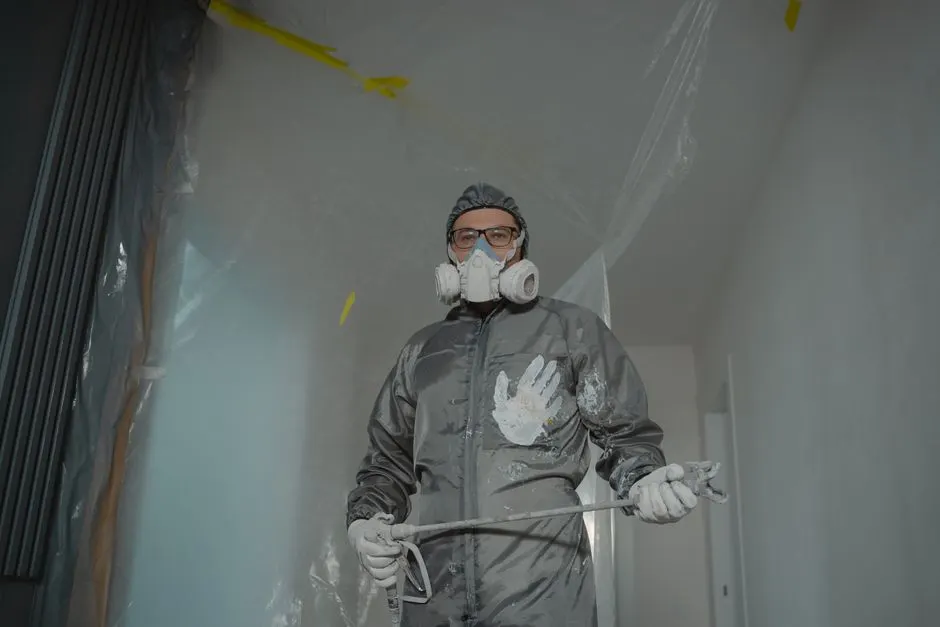
We are a properly insured spray foam removal contractor working across Plympton and Devon. Our team holds the certifications needed to handle foam waste safely and to work on domestic and commercial properties. We carry full public liability insurance, and we follow COSHH regulations on every job, which means respirators, protective clothing and controlled waste disposal as standard. We are also members of trade bodies that require us to meet a code of practice. When you book us for spray foam removal in Plympton, you get a contractor who does the job properly and leaves the paperwork you need.

Waste carrier licence (upper tier)
Public liability insurance for domestic and commercial work
COSHH awareness and safe handling of hazardous materials City & Guilds
When To Call

Signs you need spray foam removal in Plympton

Spray foam does not always announce itself with a dramatic failure. Often the first sign is a damp patch on a ceiling, a musty smell in the loft, or a note from a mortgage surveyor. If you are searching for spray foam removal near me Plympton, these are the signs that usually mean it is time to get the foam out.

1. Damp patches on upstairs ceilings

Damp patches usually mean moisture is trapped above the ceiling, often because spray foam has blocked the ventilation path. If the foam is closed cell and bonded to the rafters, the timber cannot dry out. Left alone, this leads to rot. It is worth getting it checked before the damage spreads.

2. Musty smell in the loft or upstairs rooms

A musty smell in the loft is a strong sign that moisture is sitting where it should not be. Spray foam that has been installed over the whole roof slope can seal in damp air. The smell often gets worse in autumn and winter when condensation is highest. Removal usually solves it.

3. Mortgage lender flags spray foam on a survey

Many lenders will not lend on a property with spray foam in the roof unless it is removed or assessed. If your surveyor has flagged it, you will need a removal report before the sale can complete. We provide the photos and paperwork lenders ask for.

4. Foam is sagging or coming away from the roof

Open cell foam can sag over time, especially in older Plympton lofts where ventilation was already poor. Once it starts to come away, it is no longer doing its job and it may be blocking the eaves. That is the point to get it removed and replaced with something breathable.

5. Condensation on roof felt or timbers

If you can see water droplets on the roof felt or the timbers feel damp, the roof space is not breathing. Spray foam is often the cause because it seals the roof slope. We check the ventilation path on every survey and clear any blockages as part of the removal.

Local Problem Patterns

Common spray foam problems in Plympton

Plympton's mix of old stone cottages, 1970s estates and newer builds creates a range of spray foam problems. The damp climate near the moors makes things worse, because moisture has nowhere to go once the foam seals the roof. Here are the problems we see most often when we carry out spray foam removal in Plympton.

Closed cell foam trapping moisture in old rafters

Why it happens here

Older properties around Plympton St Maurice have solid stone walls and old timber rafters that need to breathe. Closed cell foam sprayed directly onto the wood seals in moisture, and the damp climate near the moors makes it worse. Over time the timber starts to decay.

Our approach

We use dry ice blasting to remove the foam without damaging the old timbers, then treat any decay we find. We also check the ventilation path so the roof can dry out properly once the foam is gone.

Open cell foam sagging and blocking eaves ventilation

Why it happens here

Open cell foam is softer and can sag over time, especially in lofts with shallow pitches like those in Underwood and Chaddlewood. When it sags, it blocks the eaves vents and stops air moving through the roof space. That leads to condensation and damp.

Our approach

We remove the sagging foam in sections, clear the eaves vents and check the airflow through the loft. If the ventilation is still poor, we recommend simple fixes like vent trays before the roof space is closed up again.

Mortgage refusal because of spray foam in the roof

Why it happens here

Many mortgage lenders treat spray foam as a risk because it can hide structural problems and trap moisture. When a surveyor flags it, the lender often refuses to lend until the foam is removed or assessed by a specialist. This is common in Plympton where a lot of foam was installed years ago.

Our approach

We provide a full removal service with a photo report showing the foam before and after. That gives the lender the evidence they need to proceed. We can usually fit these jobs in quickly to keep a sale on track.

Cavity wall foam causing damp patches inside

Why it happens here

Spray foam injected into cavity walls can bridge the gap and let moisture travel from the outer wall to the inner leaf. In Plympton's damp climate, that shows up as damp patches on internal walls. It is often missed until the foam has been in place for years.

Our approach

We use specialist cutting tools to break up the cavity foam, then extract it with an industrial vacuum. After removal we check the cavity is clear so it can dry out, and we advise on breathable alternatives that will not cause the same problem.

Local Pricing

What spray foam removal costs in Plympton

Typical 2026 pricing for spray foam removal in Plympton runs from around 1,200 to 3,500 depending on the size of the loft and the type of foam. Open cell foam is usually quicker to remove and sits at the lower end, while closed cell foam on older timbers takes longer and costs more. A standard loft in Chaddlewood or Colebrook usually comes in around 1,500 to 2,200. Larger roofs, cavity wall foam and commercial jobs near the Ridgeway are priced after a survey. We give you a written quote before we start, so there are no surprises.

Availability in Plympton: We run same day and 24/7 spray foam removal across Plympton and the PL7 area. Most jobs are booked within 24 to 48 hours, and emergency callouts are usually attended the same day. We work Monday to Saturday, with Sunday slots available for urgent mortgage or storm-related jobs. If you need a survey before a house sale, call us and we will fit you in as quickly as we can.

1

Type of foam

Open cell foam is softer and comes away more easily, so removal costs less. Closed cell foam is dense and bonded hard to the timbers, which takes longer and needs specialist tools like dry ice blasting. That pushes the price up, especially on older Plympton properties.

2

Size and access

A small loft hatch in a Chaddlewood semi is quick to work with. A large roof space in Woodford with limited access takes longer and needs more equipment. Tight parking near the town centre can also add time if we have to carry gear any distance.

3

Condition of timbers

If the foam has trapped moisture and caused timber decay, we need to treat or replace affected sections. That adds to the job, but it is better to deal with it while the roof space is open. We check for decay on every Plympton survey and flag it before we quote.

Year-Round Coverage

How Plympton's seasons affect spray foam removal

Plympton sits close to Dartmoor, so it gets more wind-driven rain and damp air than the city centre. That shapes when spray foam problems show up and when homeowners call us. Here is what we see across the year and what you should do about it.

Spring

Spring is when damp patches from winter finally show on ceilings and in loft spaces. The moisture that built up over the wet months starts to make itself known. We get a lot of calls in March and April from homeowners who have just noticed a stain or a musty smell.

Tip

Check your loft after the first dry spell in spring. If the timbers feel damp or you can see staining on the roof felt, book a survey before the problem spreads.

Summer

Summer is the easiest time to remove spray foam because the roof space is dry and access is simpler. It is also when house sales pick up, so we get a lot of mortgage-related removal jobs. Warm weather helps the timbers dry out after the foam is gone.

Tip

If you are planning to sell, get the foam removed in summer. It gives the timbers time to dry before the autumn rains and avoids delays during the conveyancing process.

Fall

Autumn is our busiest season for spray foam removal in Plympton. The first heavy rains arrive, and any foam that was trapping moisture starts to cause visible damp. We also see more emergency callouts after storms, when loose foam or damaged roof felt lets water in.

Tip

Book your survey before the worst of the autumn rain. If you already know the foam is failing, getting it removed in early autumn prevents a bigger problem over winter.

Winter

Winter is when condensation is at its worst. Cold roof surfaces and warm, moist air inside the house create ideal conditions for damp. If spray foam is blocking ventilation, the condensation has nowhere to go and the timbers stay wet for months.

Tip

Keep an eye out for condensation on windows and in the loft. If you see it, call us for a survey. We can remove the foam and improve ventilation before the spring.

Hiring Smart

What to ask before hiring a spray foam removal company

Not every spray foam removal company in Plympton works to the same standard. Some will scrape out the foam and leave without checking the timbers or the ventilation. Before you book, ask these questions. The answers will tell you whether you are dealing with a proper specialist or someone who is just going to make a mess.

  1. 1

    "How do you remove closed cell foam without damaging the rafters?"

    Why it matters

    Closed cell foam is bonded hard to the timber, so heavy scraping can gouge the wood. A good contractor will explain their method, whether that is dry ice blasting, specialist saws or a combination. If they cannot tell you how they protect the timbers, walk away.

  2. 2

    "Do you check for timber decay and ventilation problems?"

    Why it matters

    Removing the foam is only half the job. If the timbers are damp or the ventilation is blocked, the problem will come back. A proper survey should include a check of the timbers and the airflow through the roof space. Ask what they do if they find decay.

  3. 3

    "Will you provide a report for my mortgage lender?"

    Why it matters

    If your lender has flagged the foam, you need evidence that it has been removed properly. Ask whether they provide photos and a written report. Some companies do not, which can leave you stuck when the lender asks for proof.

  4. 4

    "How do you dispose of the foam you remove?"

    Why it matters

    Spray foam is not general waste. It needs to go through a licensed waste carrier. Ask where it ends up. A contractor who cannot answer this may be fly-tipping, which could land you in trouble if it is traced back to your property.

  5. 5

    "What insulation should I use instead?"

    Why it matters

    Once the foam is gone, you still need insulation. The wrong choice can recreate the same damp problems. A good contractor will recommend breathable options like wood fibre or sheep wool that suit older Plympton properties. Ask for their advice before you re-insulate.

Knowing the Area

Landmarks we use to navigate Plympton

Plympton is a compact town, but the older streets can be tricky to navigate if you do not know them. We use local landmarks as reference points when we are booking jobs and planning routes. Plympton Castle and the surrounding streets are a common marker for jobs in the historic part of town, while Saltram House helps us locate properties on the eastern side. The Ridgeway is our main route in from Plymouth, and we often use it to plan jobs across the north of the town.

Landmarks

  • Plympton Castle

    The castle sits at the top of the old town and is a useful marker for jobs in Plympton St Maurice and the surrounding streets. We often arrange parking nearby when working on the older cottages in this area.

  • Saltram House

    Saltram House and its estate are on the eastern edge of Plympton, close to several residential areas we cover. It is a handy reference point for jobs around Woodford and the roads heading towards Plymstock.

  • Plympton St Maurice

    The old parish area around Plympton St Maurice has some of the oldest buildings in town. We use the church and the surrounding lanes as a marker for jobs that need a gentler removal approach on historic timber.

Commercial Districts

  • Ridgeway business units

    The Ridgeway area has a mix of workshops, warehouses and small industrial units. We get called here for commercial spray foam removal when foam has been used on large roof areas and is now failing or blocking ventilation.

  • Plympton town centre

    The town centre has a mix of shops, offices and older buildings. Spray foam removal here is usually smaller scale, often in flats above shops or in back offices where foam was installed to stop draughts.

Transport & Access

  • A38 Devon Expressway

    The A38 runs along the north edge of Plympton, giving us quick access from Plymouth and the surrounding area. Most Plympton jobs are within 10 minutes of a junction.

  • Plympton Ridgeway bus stops

    The Ridgeway has regular bus services into Plymouth and the surrounding estates. We use these stops as markers when planning jobs on foot or when parking is tight.

!

Get spray foam removal in Plympton sorted today

If spray foam is holding up your mortgage, trapping damp in your roof or failing to keep the heat in, we can help. We have been removing spray foam in Plympton since 2022 and we know the local building stock inside out. Call us on 0175 290 5074 for a free quote, or send us a message and we will get back to you the same day.

Call now
Call Now: 0175 290 5074